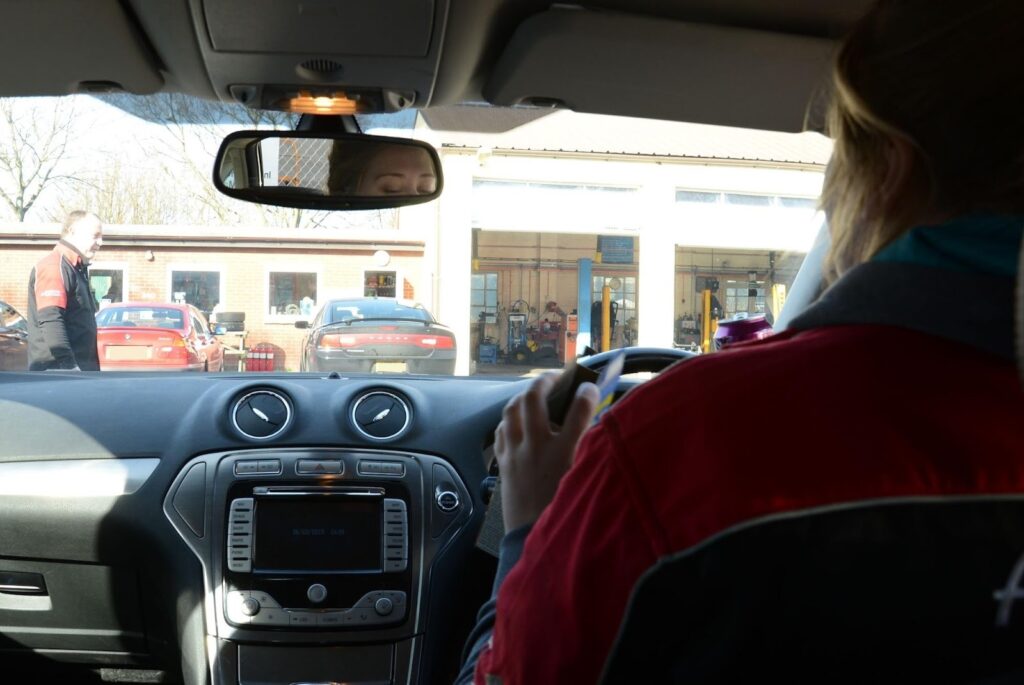
A momentary blur from glare or narrowing fields can spell disaster behind the wheel, where split-second sight rules. Common conditions like cataracts or glaucoma quietly erode road readiness, affecting millions of drivers. From examining patients who regained confidence post-treatment to counseling those pausing licenses wisely, I’ve learned vision’s direct tie to safety. Understanding thresholds and strategies keeps roads shared securely for everyone.
Visual Standards Every Driver Must Meet
Acuity at 20/40 or better binocularly sets U.S. baselines; fields span 140 degrees horizontally. Contrast sensitivity discerns dusk hazards; color plates flag rare defects. Night vision tests glare recovery times.
DMV renewals increasingly mandate these—failures prompt restrictions or revocations. Standards evolve with data. Compliance safeguards all.
Comparing Global Driving Rules
UK guidelines via eye conditions and driving require self-reporting declines sharper than 20/40. Europe mirrors; Asia varies stringently. Awareness spans borders.
Cataracts: The Clouding Hazard
Lens opacities scatter light, worsening halos around headlights. Glare blinds momentarily; colors wash out. Progression steals peripheral cues stealthily.
Self-tests reveal: faded signs, frequent wipers for clarity. Surgery restores 90% sharply—timing averts risks. Delays endanger dusk commutes.
When to Pause the Keys
Merge hesitations or wrong lanes signal intervention. Family observations corroborate. Safety trumps stubbornness.
Glaucoma: The Silent Field Thief
Optic nerve erosion tunnels vision asymmetrically; central holds till late. Arcuate defects miss cyclists. Pressures demand drops lifelong.
Tonometry tracks; fields quantify losses annually. Progression halts driving legally below 110 degrees. Monitoring preserves privileges.
Biobeliefs outlines signs of pink eye and its causes, a temporary irritant blurring temporarily but rarely disqualifying alone.
Macular Degeneration and Central Blind Spots
Scotomas blot traffic lights; straight lines warp. Dry slows; wet hemorrhages suddenly. Amsler grids self-screen distortions.
Injections stabilize; low vision aids adapt. Fields under 120 degrees ground many. Early AMD allows continued caution.
For surgical uplifts like cataract removal, Eye Surgery Today unpacks recoveries safe for returning roads.
Adaptive Tech for Mild Losses
Bioptics overlay magnifiers; HUDs project enlarged. Apps vocalize signs. Innovations extend tenures.
Diabetic Retinopathy and Swelling Risks
Edema distorts distances; neovessels bleed opaquely. Glycemic slips accelerate. Injections clear views recurrently.
Annual screens catch non-proliferative early. Vision dips below 20/40 halt privileges. Control correlates directly.
Age-Related Macular Patterns
Wet demands urgency; dry creeps gradually. Injections space out successfully. Adaptation pairs with meds.
Night Driving Nightmares and Glare
Cataracts halo xenon beams; dry eyes scatter tears unevenly. Keratoconus distorts asymmetrically. Drops prep; avoid peaks.
Self-assess: recovery over three seconds? Restrict nights. Habits mitigate.
Weather’s Amplifying Effects
Fog compounds fields; rain veils signs. Wipers aid; defrosters clear. Conditions test limits rigorously.
Legal Obligations and Self-Reporting
49 states mandate vision disclosures; failures revoke harshly. Doctors report thresholds in vision-heavy ones. Honesty shields liabilities.
Restorations post-treatment reinstate. Processes protect collectively.
Insurance Implications
Undisclosed declines void claims; reports lower premiums proactively. Transparency pays dividends.
Alternatives to Full Driving Privileges
Daylight only stickers; passenger assists. Rideshares fill gaps; public transit apps simplify. Autonomy adapts creatively.
Volunteering leverages skills driverless. Transitions empower anew.
Family Conversations Starters
“Notice more close calls?” Data shares gently. Plans ease relinquishments.
Emerging Aids and Policy Shifts
Self-driving cars beta-test for visuals; ADAS warns blind spots. Tele-optometry renews remotely. Futures drive inclusively.
Laws lag tech; advocacy accelerates.
Conclusion
Eye conditions demand acuity checks, timely treatments, and honest limit assessments to uphold driving safety. Alternatives and aids bridge gaps gracefully. Prioritize vision stewardship—roads thank the clarity it brings everyone.